When you think of precision engineering, you probably think of aerospace parts, medical implants, or car engines. You don't think of luxury fashion stores.
But precision machining turns up in places most people would never guess. One of the better examples is House of CB, the UK-based fashion brand with a global retail footprint. We manufactured precision-machined parts that became part of their custom branded joinery in stores worldwide.
Why Precision Engineering Shows Up in Interior Design
At first glance, retail design and CNC machining belong to different universes. One is about mood, aesthetics and customer experience. The other is about tolerances, materials and numbers.
But when the goal is interiors that read as genuinely premium, the two overlap precisely.
- Consistency — when a brand runs dozens of stores across multiple countries, every location has to look identical. CNC machining guarantees each joinery component is cut, shaped and finished the same way, in Tokyo as in London.
- Surface quality — customers notice shine, reflection and polish even when they can't articulate why. Diamond machining produces mirror finishes that hand sanding and polishing cannot match.
- Design freedom — precision engineering widens what a designer can specify. Complex geometry, subtle detailing and difficult materials all become viable.
- Durability — high-traffic retail demands fixtures that keep looking new. Precision-machined parts add both strength and dimensional stability.
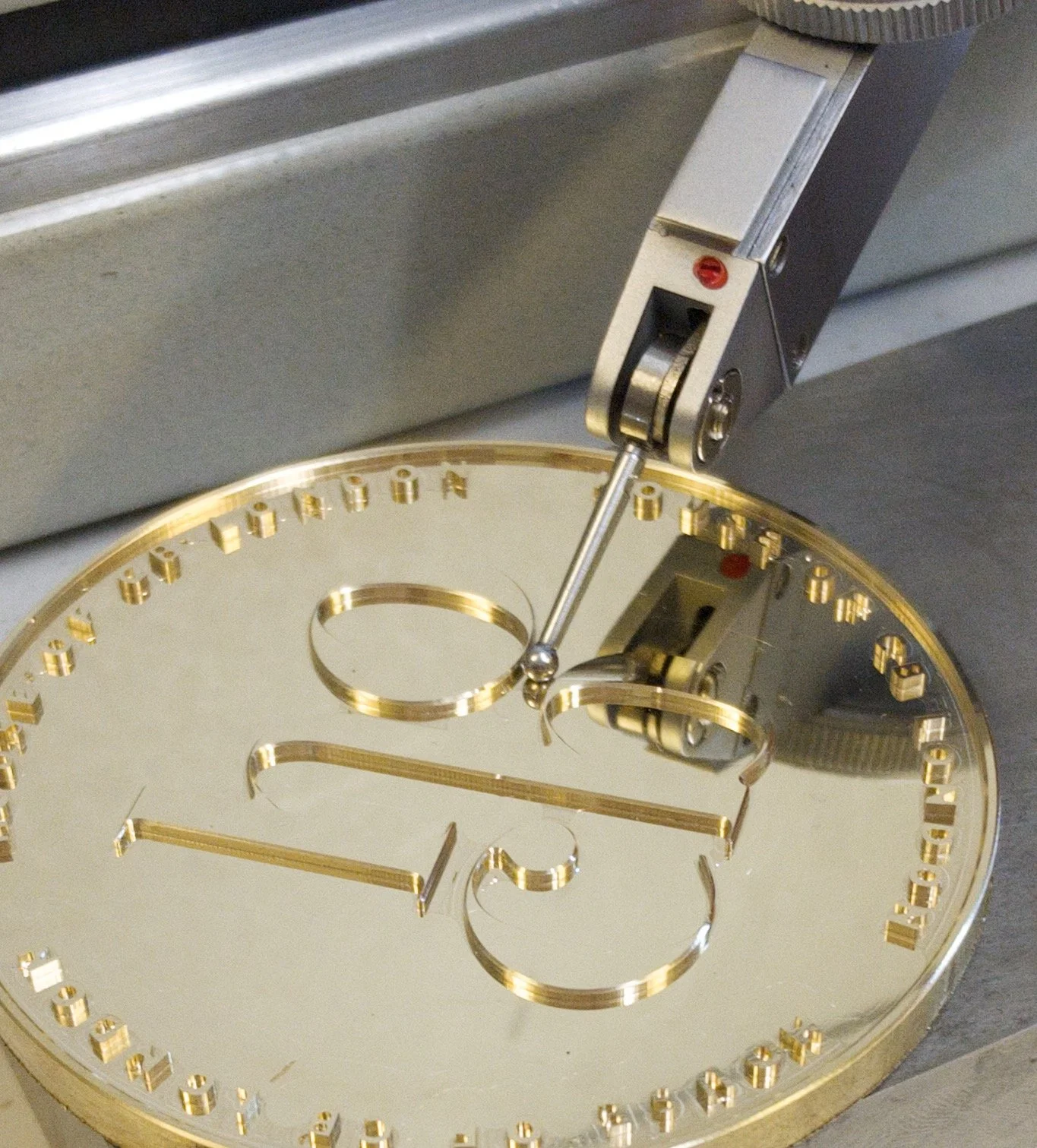
Case Study: House of CB and Branded Joinery Parts
House of CB is known for structured dresses worn by celebrities, influencers and customers worldwide. Their stores aren't just retail space — they're an extension of the brand.
To keep that consistent, we produced precision-machined components that were assembled into custom branded joinery across their locations. Our part of the job was specific:
- Machine the components to exact specification
- Diamond-turn the surfaces to achieve a true reflective finish
- Deliver parts that slot into the wider joinery system without fitting or adjustment on site
The last point matters more than it sounds. Joinery installed by different fit-out teams in different countries has to assemble identically without anyone reaching for a file.
Precision Engineering Isn't Just for "Serious" Industries
This is the wider point. People assume precision machining is reserved for jet engines and medical devices, but it's everywhere:
- In the display cases that showcase high-value products
- In the joinery details that define a luxury retail environment
- In the small parts that quietly hold an entire brand experience together
The overlap between retail design and CNC machining keeps growing because modern brands understand their interiors carry as much weight as their products.
What This Means for Interior Designers and Brands
If you work in retail design, precision engineering is worth understanding rather than outsourcing blindly. It isn't only about making furniture — it's about engineering the hidden details that hold up a brand environment.
In practice it means:
- Repeatable production, so store number forty matches store number one
- Finishes that meet a luxury standard rather than approximate it
- Components that perform as reliably as they look
Final Thoughts
House of CB is a good demonstration that precision engineering and interior design sit closer together than most people assume. We supplied the machined parts that made the joinery work.
When a brand brings that level of detail into its stores, the retail experience ends up feeling as considered as the product on the rail.